
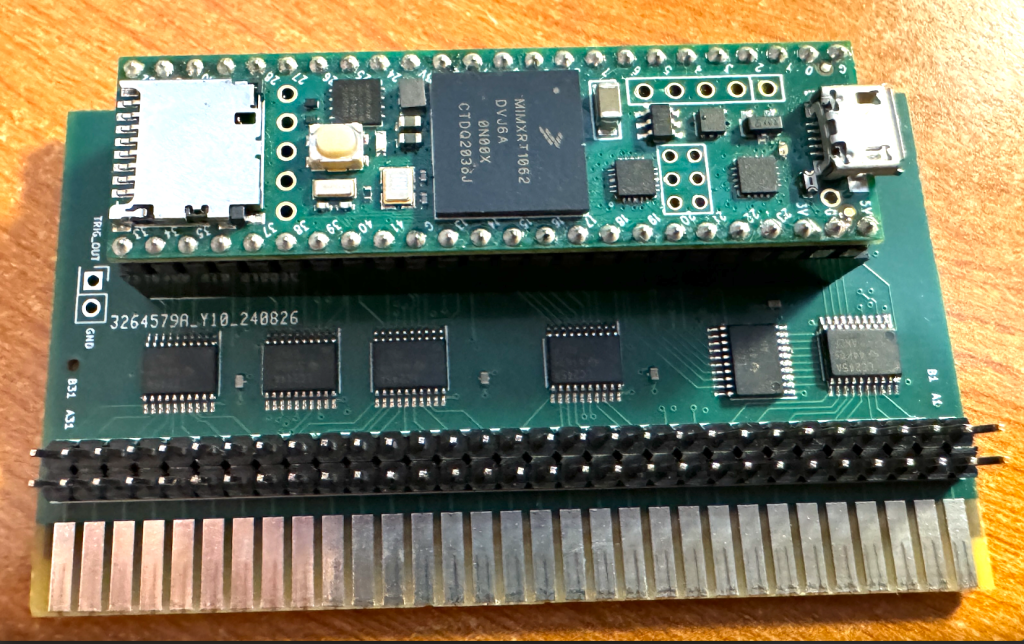
The MCLV20_Max is a Teensy 4.1-based software-defined drop-in CPU replacement for the Intel 8088 used in vintage IBM XT’s. It has enhancements built upon the MCL86+ project and uses the same PCB.
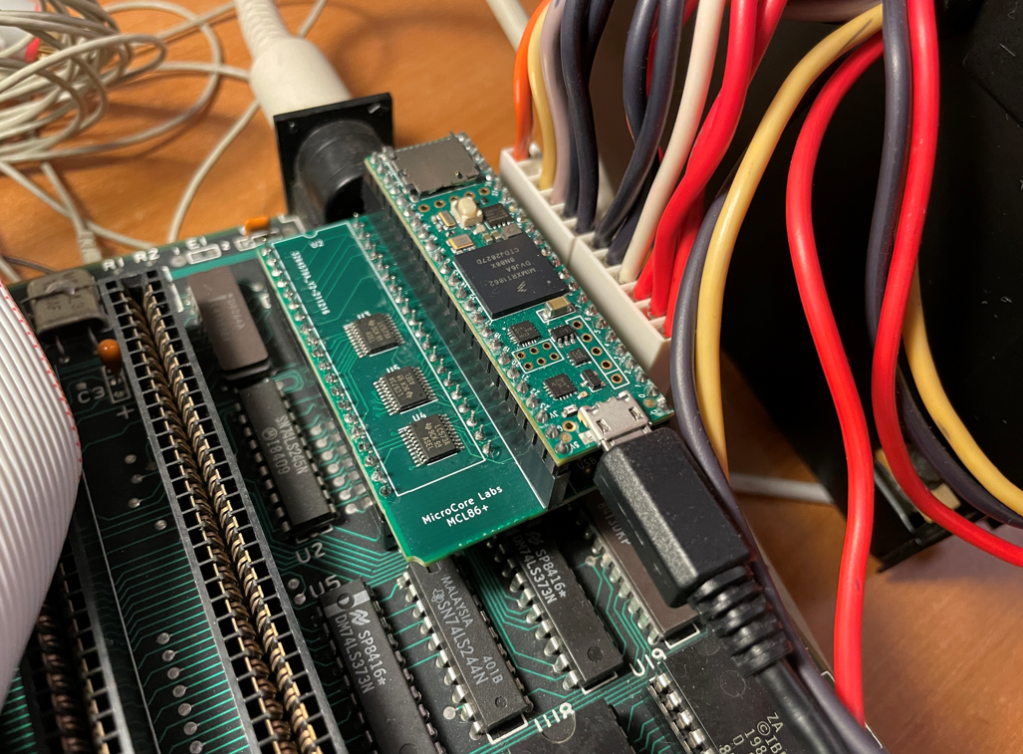
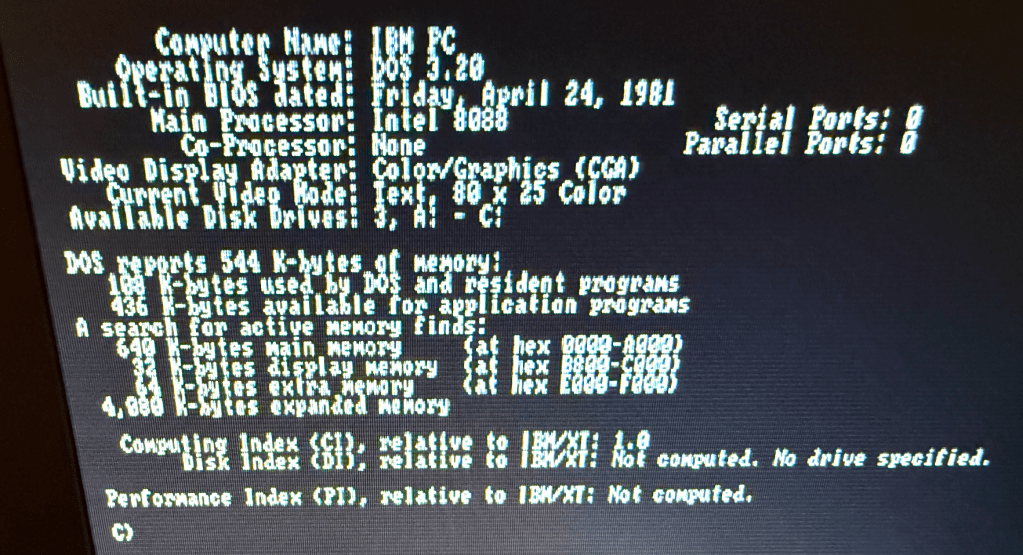
It emulates the full Intel 8088 instruction set as well as the additional 80188 and V20 opcodes. It also mimics the behavior of the V20 with its treatment of flags, shift-counts, and the ability to restart multiple prefixes upon exit of an interrupt. Below is the Anonymous BIOS which recognizes the MCLV20_Max as a V20 CPU.

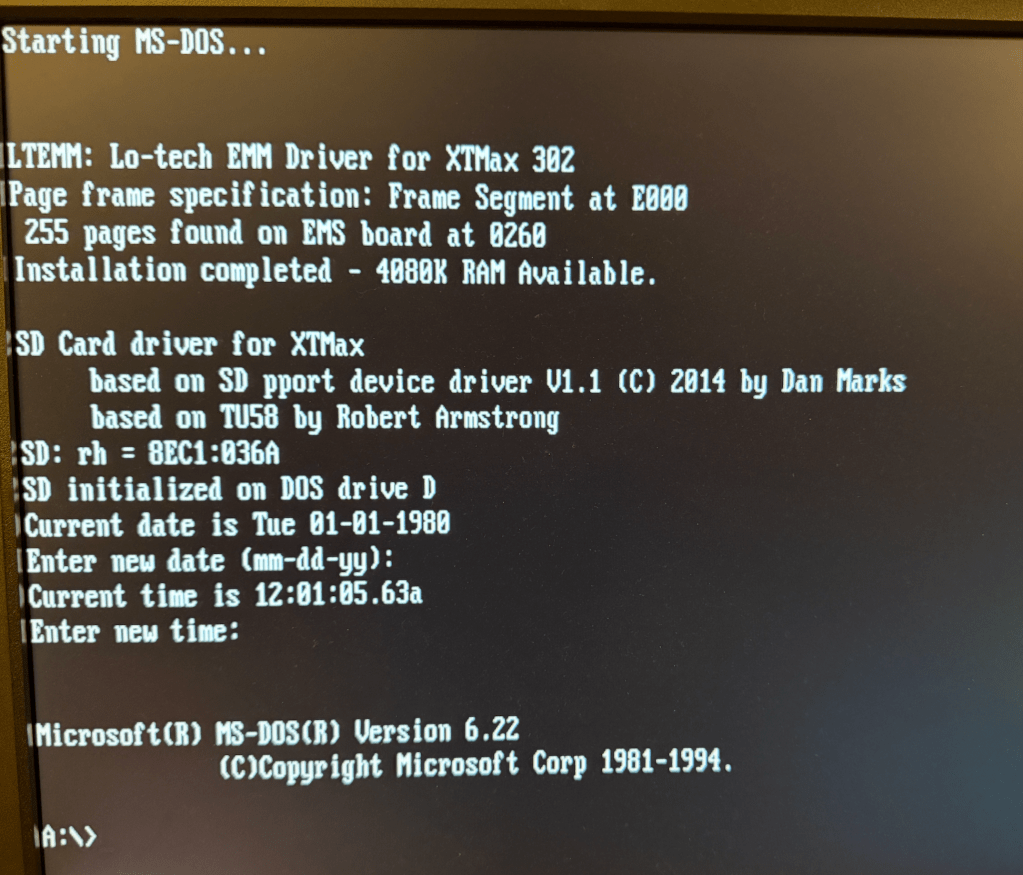
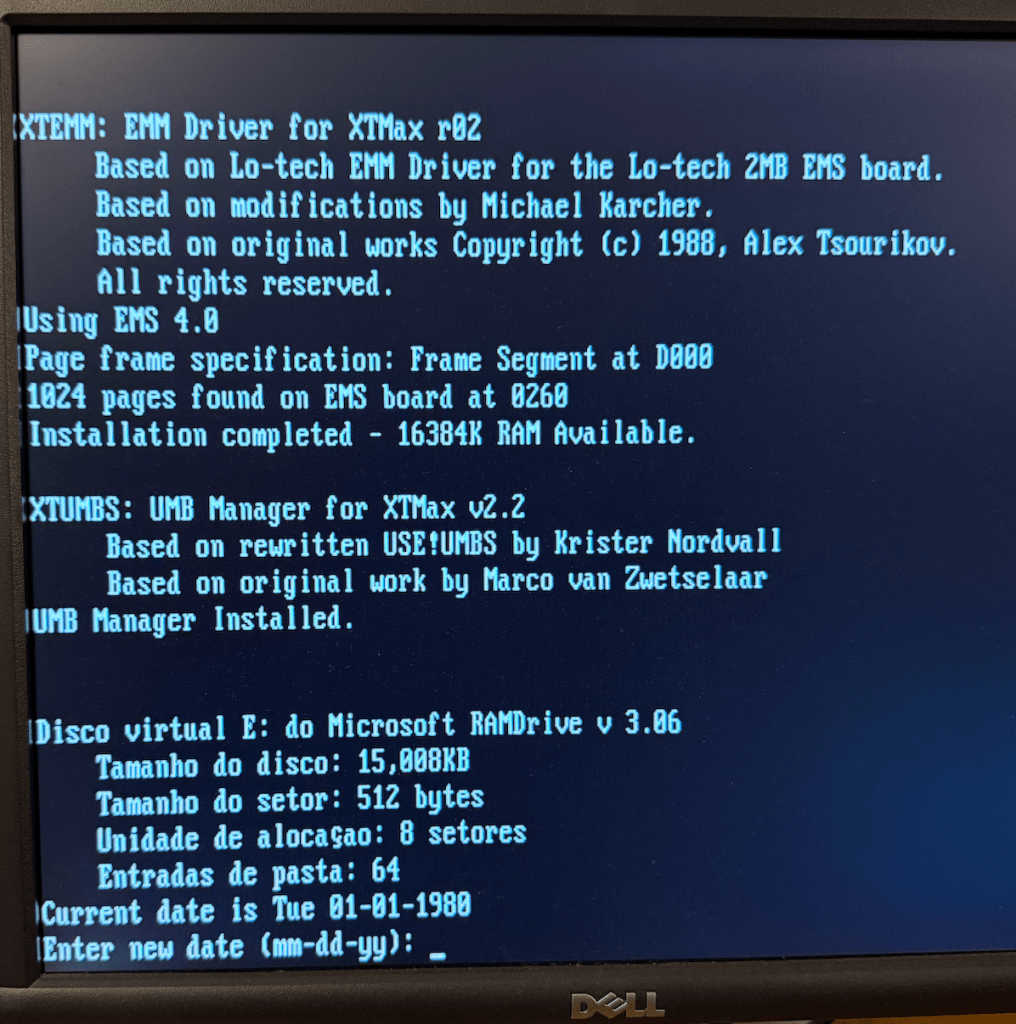
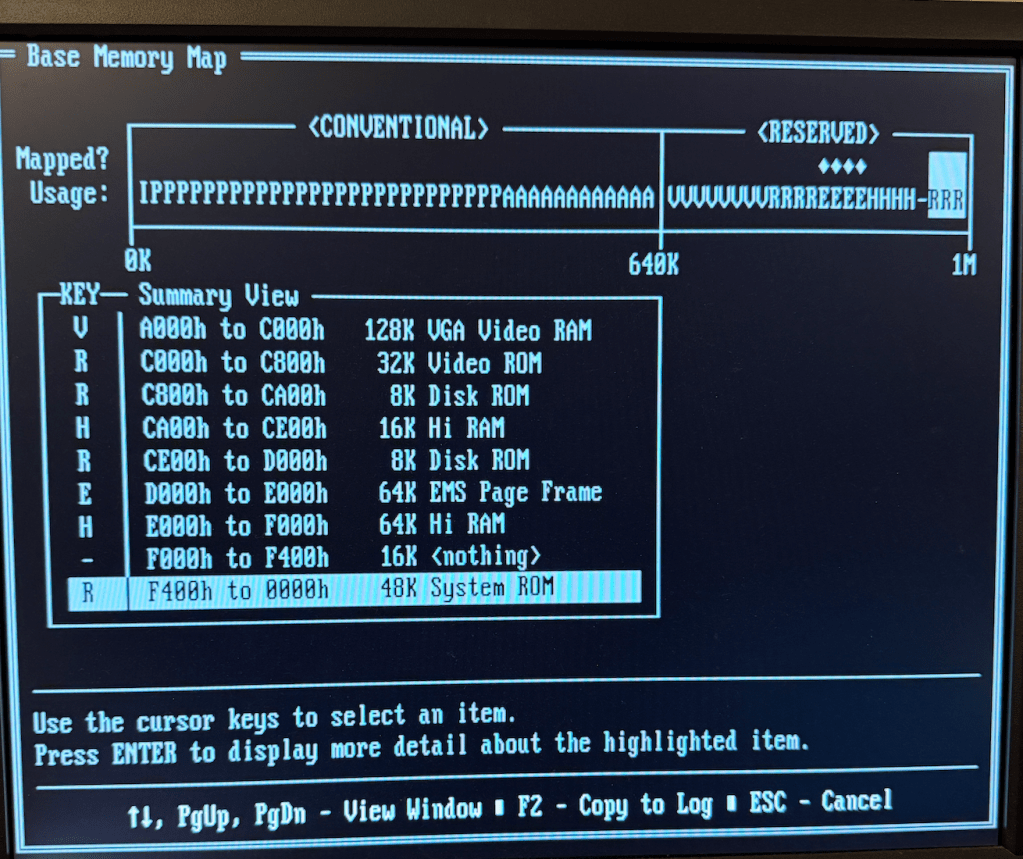
In addition to the CPU emulation, some of the features of the XTMax project are integrated into the MCLV20_Max which include 4 MB of Expanded RAM and MicroSD hard drive support. Below are the drivers being loaded that configure the 4 MB of Expanded RAM and enumerate the MicroSD as drive D:
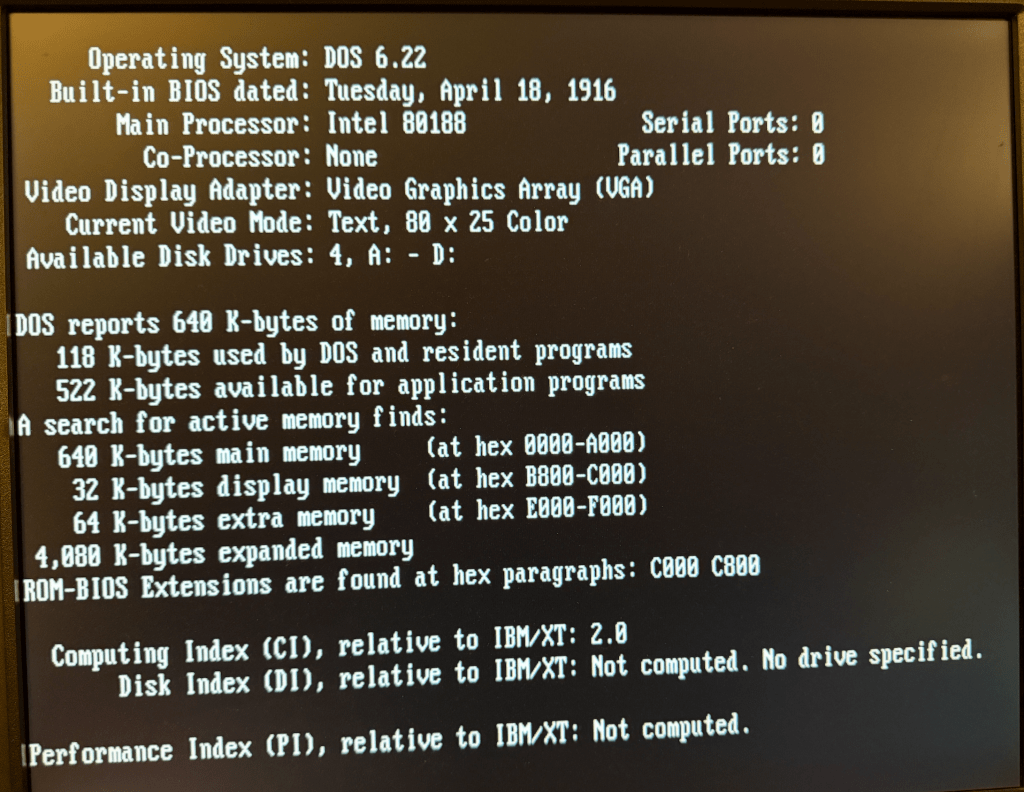
Two acceleration modes are provided. Acceleration mode 1 simply removes opcode clock cycle accuracy so that one opcode is executed for each clock. This can provide for as much as 100% speed improvement over the stock 4.77 Mhz 8088.

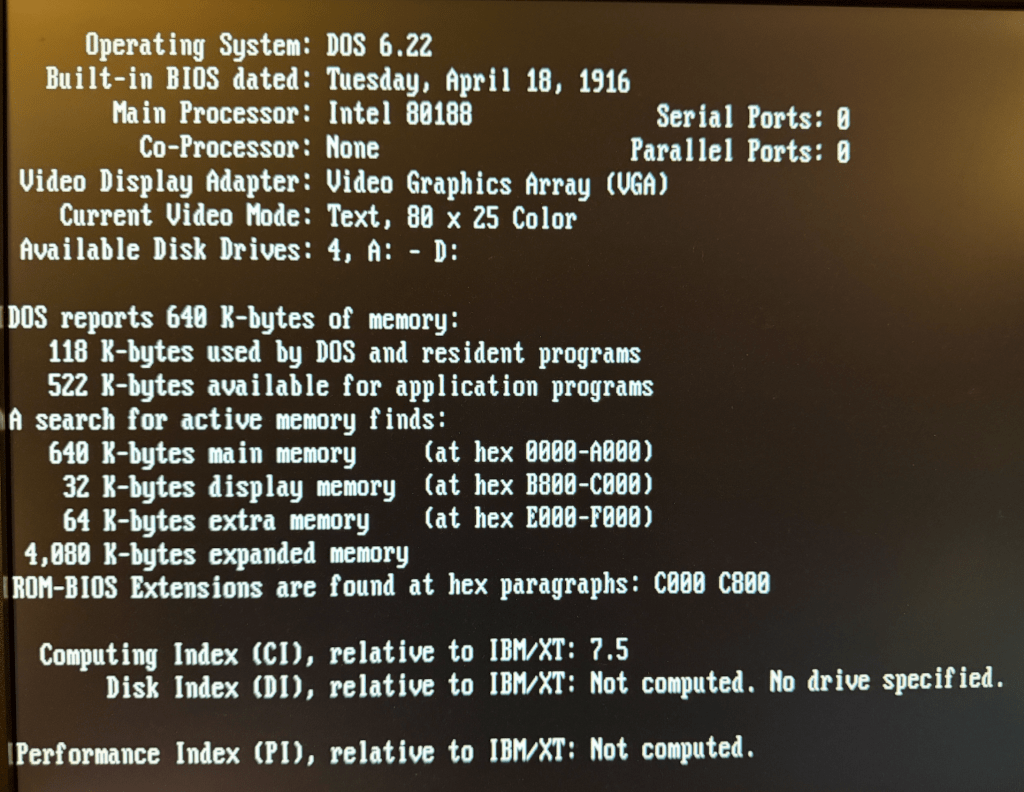
Acceleration mode 2 provides the maximum acceleration which can be from 5 to 10X faster than the 8088. It does this by first copying all 640 KB of the motherboard RAM plus the ROM into the Teensy’s internal memory which runs at 800 Mhz+. From then on all CPU accesses to instruction and data are handled using this fast mirror RAM with only CPU accesses to motherboard peripherals and video RAM using the CPU’s local bus. The resulting speed is faster than a 10 Mhz 80286 and approaching that of a 80386.
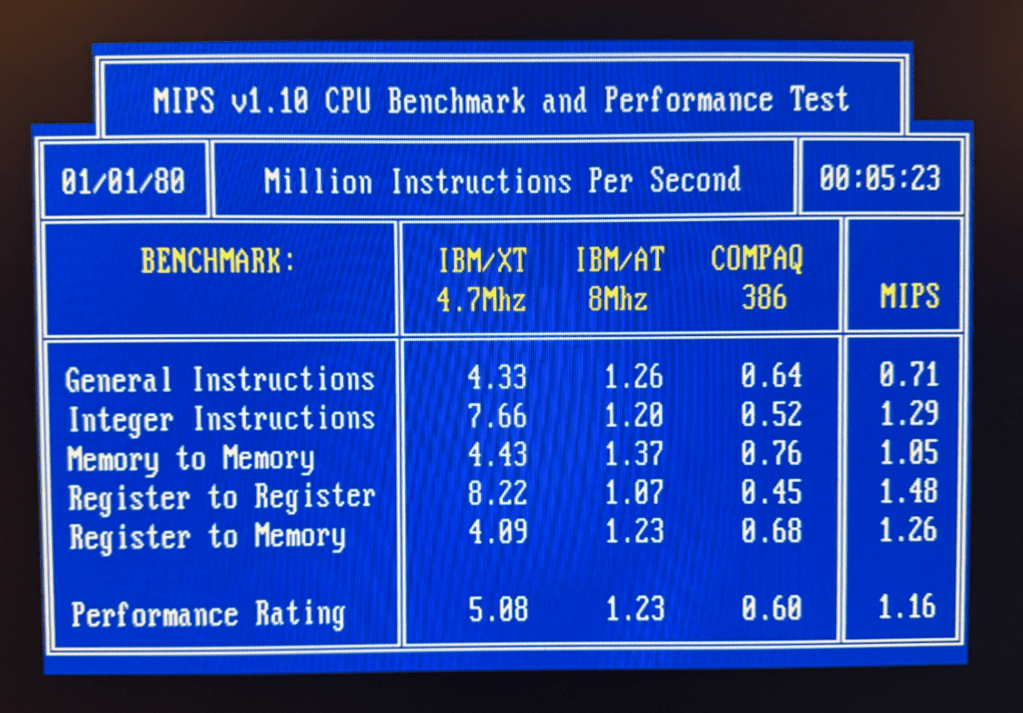
The MCLV20_Max also has enough internal memory to host any BIOS or diagnostic ROM.
Using a modified LoTech EMM 3.2 driver, MCLV20_Max can provide 4 MB of Expanded RAM which can be used as a fast RAMDISK and like the XTMax project, the MCLV20_Max can also provide access to a MicroSD card which is formatted as FAT16 and can be freely used by any other computer including Windows, Mac, Linux, and Chromebook.
I made a few video demonstrations of the MCLV20_Max and posted to YouTube:
All of the source code and PCB files are open source and posted on GitHub:
https://github.com/MicroCoreLabs/Projects/tree/master/MCLV20_Max


 MicroCore Labs